 Scott Tompkins

If the Raspberry Pi dies, paging is down until someone replaces it. I built it on one Pi anyway. The alternative was no paging system at all, and the requirement was “works day to day”, not redundancy. I wrote recovery documentation so a replacement could be stood up quickly.
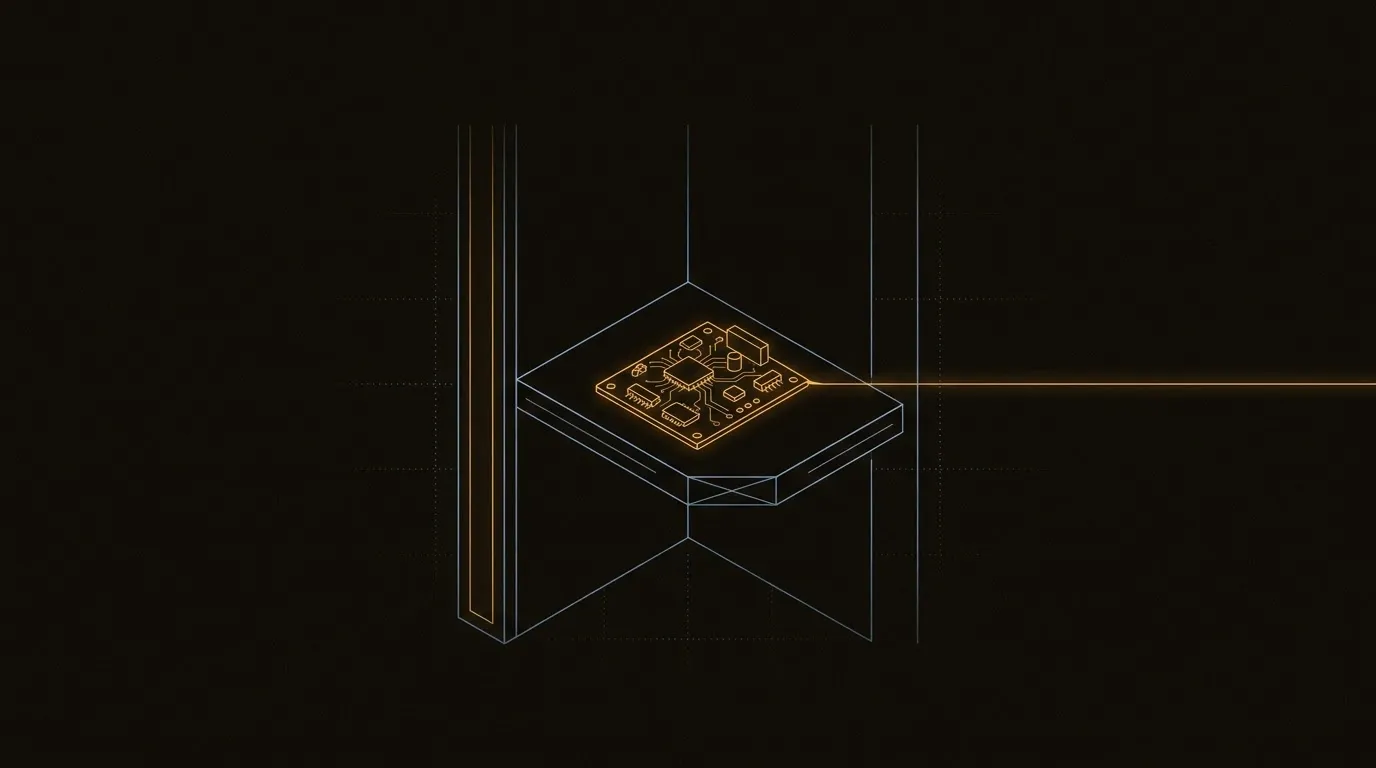
The factory had no dependable way for an operator on the floor to reach a supervisor. People yelled, walked off to find someone, or tried phones that did not work reliably in a noisy plant. Management wanted a simple way to page a supervisor that was always available and asked for no new habits. There was no server room and no operations team on site, and the client already used the Rogers pager network. So whatever I built had to be small, low-power, able to live in a closet and run unattended.
I put a Raspberry Pi in a cabinet at the site, running a small Node.js HTTP service that systemd keeps running. An operator triggers a page through a simple interface, and the service forwards the request to the Rogers paging API. That is all of it: one Pi, one process, one job. I used a Pi because the factory did not need a server. I used Node.js because it is quick to build with and runs easily on a Pi. Nothing in the path depends on a cloud service, because factory networks are often locked down. I chose stable long-term-support dependencies and no framework that would need regular upgrades, because the goal was to run for years without attention.
I released it in 2021. As of November 2026 it is still running, and it has come through power cycles and network interruptions without incident and with no maintenance beyond being left alone. A single node and one focused service were enough for this site. The on-premise Kubernetes platform is what I built when a job did need scale and redundancy, and Architecture Patterns covers how I choose between the two.